Stronger Homes, Stronger Communities: The Power of Roof Repairs and Community Bonds

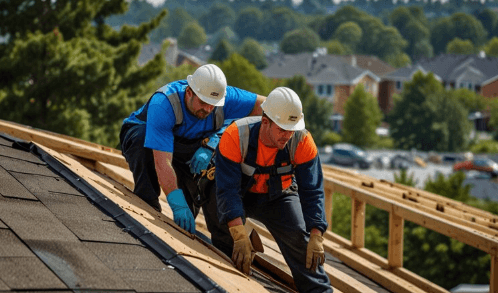
Roof repairs are more than just a “fix the leak” job; they are a frontline defense that protects families, property values, and the overall safety of neighborhoods. When homeowners invest in timely roof repairs, they do not only extend the life of their roofs and save money in the long run, but they also set an example that inspires others to take maintenance seriously. Combined with active community bonding—where neighbors share information, tools, and even labor—regular roof repairs become a collective strategy for resilience. In this way, roof repairs and community ties work hand in hand to create neighborhoods that are physically safer, economically stronger, and emotionally more connected, paving the way for a safer tomorrow for everyone.
Why Roof Repairs Are Non‑Negotiable for Home Safety
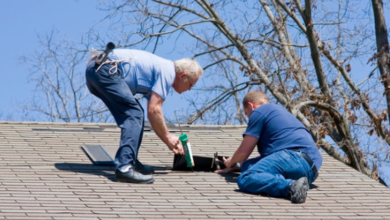
Roof repairs are crucial because the roof is the first barrier between a family and the outside elements, including rain, wind, heat, and falling debris. When shingles crack, underlayment becomes loose, or flashing wears out, even a small gap can lead to water infiltration, which over time can cause rotting of wooden structures, electrical hazards, and the growth of mold that affects health. Professional roof repairs close these gaps, restore structural integrity, and help prevent potentially dangerous situations like partial roof collapses or slipping tiles. Roof repairs also protect insulation and interior finishes, avoiding the need for costly interior repairs later. By treating roof repairs as a priority rather than a last‑minute reaction, homeowners turn a simple maintenance task into a powerful safety measure for their households and their communities.
How Timely Roof Repairs Save Money and Resources
Delaying roof repairs often leads to much larger expenses, so addressing issues early is one of the most cost‑effective choices a homeowner can make. A small leak might cost a few thousand rupees to repair, but if ignored, it can destroy support beams, insulation, and even cause the need for a full roof replacement that costs several times more. Regular roof repairs also help avoid emergency call‑out fees and rushed work, which usually come at a premium. Moreover, many insurance companies offer better rates or quicker claims approval when they see a history of responsible maintenance, including documented roof repairs. On a larger scale, neighborhoods that collectively focus on roof repairs reduce the strain on local emergency services and municipal disaster‑response budgets, as well‑maintained roofs are far less likely to fail during storms or heavy rains. This makes roof repairs not just a personal saving, but a smart investment in community‑wide financial stability.

Roof Repairs and Energy Efficiency: A Silent Upgrade
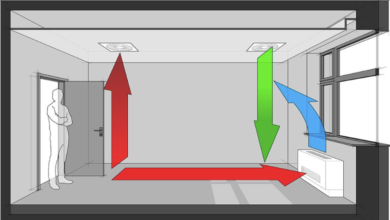
Modern roof repairs often include upgrades that improve energy efficiency, making homes more comfortable and lowering utility bills. By sealing gaps, replacing old insulation, and, in some cases, installing reflective or cool‑roof materials, roof repairs reduce the amount of heat that enters a home in summer and the amount of warmth that escapes in winter. This improved insulation means air‑conditioning and heating systems do not have to work as hard, which can lead to noticeable reductions in electricity consumption over time. In warmer climates, especially in cities like Faisalabad, where summers are long and hot, energy‑efficient roof repairs can significantly reduce indoor temperatures and make homes more livable.
How Roof Repairs Build Community Awareness
Roof repairs can also spark conversations about safety, maintenance, and preparedness, which naturally build community awareness. When neighbors observe a roof repair in progress, they often ask questions, share their own experiences, and discover that many households face similar challenges. This exchange of information can lead to informal “roof watch” groups, where residents keep an eye on each other’s roofs and alert one another to visible damage or early signs of leaks. Community centers, schools, or local associations can even organize short awareness sessions on the importance of roof repairs, inviting local roofers to explain basic inspection tips.
Environmental Benefits of Smart Roof Repairs
Beyond safety and economics, thoughtful roof repairs can also have positive environmental impacts. Choosing durable, locally produced materials for roof repairs reduces the need for frequent replacements, which lowers waste and the carbon footprint associated with manufacturing and transport. Some communities are experimenting with eco‑friendly roof repairs, such as using reflective coatings or installing solar‑ready reinforcements that allow for future solar panel integration.
Roof Repairs and Emotional Well‑Being
There is also an emotional side to roof repairs that is often overlooked. Living under a leaking or damaged roof can cause constant stress, sleepless nights, and anxiety about the next heavy rain. Families may feel unsafe, embarrassed, or helpless, especially if they cannot afford timely roof repairs. When neighbors step in to help—whether by fundraising, volunteering hands, or offering temporary shelter during repairs—the emotional burden is shared. This support can restore a sense of dignity and hope, turning a stressful situation into one where people feel cared for and valued. In many ways, roof repairs become more than a physical fix; they become a symbol of care, responsibility, and community strength.
See also: Understanding Video Pipe Inspection Service Cost: A Homeowner’s Guide
Creating a Culture of Roof Repairs and Community Care
To build a culture of roof repairs and community care, small, consistent steps are more effective than rare, grand gestures. Local community leaders, mosque committees, or resident welfare associations can start by organizing simple awareness drives about the importance of roof repairs, sharing checklists of common warning signs such as visible cracks, water stains on ceilings, or missing shingles. They can also create a shared contact list of trusted roofers and negotiate group rates for members. Annual “maintenance weekends” focused on roof repairs, cleaning gutters, and checking structural integrity can bring people together and make maintenance a regular habit rather than an emergency reaction.
Conclusion
Roof repairs and community bonding are not separate ideas; they are two sides of the same effort to create a safer, stronger, and more connected society. When homeowners take roof repairs seriously, they protect their families and their investments. When neighbors come together to share the cost, the knowledge, and the labor of roof repairs, they build a culture of care and mutual responsibility. This combination does more than fix leaks and broken tiles—it strengthens the social fabric of neighborhoods, reduces economic stress, and prepares communities for the challenges of an unpredictable climate. In the end, a safer tomorrow is not built by grand, distant policies alone, but by simple, everyday actions like organizing roof repairs, helping a neighbor on the roof, and turning maintenance into a shared mission.