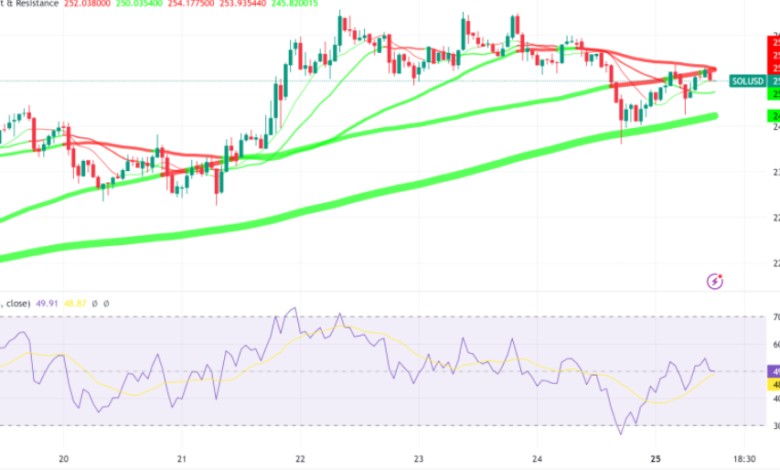
Introduction to the Solana Chart
The solana chart is one of the most important tools for anyone interested in tracking or investing in Solana (SOL). Whether you are a beginner exploring cryptocurrency or an experienced trader refining your strategy, understanding how the Solana chart works can help you make better decisions.
A Solana chart visually represents the price movement of SOL over time. It shows how the market reacts to news, investor sentiment, and overall crypto trends. By learning how to read this chart correctly, you can identify opportunities, manage risk, and understand market behavior more clearly.
In this guide, we’ll break everything down in simple terms so even beginners can follow along with confidence.


What Is a Solana Chart and Why It Matters
A Solana chart is a graphical display of SOL’s price data plotted against time. It helps users see whether prices are rising, falling, or moving sideways.
Key Reasons the Solana Chart Is Important
- Shows historical price performance
- Helps identify trends and reversals
- Assists in timing entry and exit points
- Reflects market sentiment in real time
For investors and traders, the Solana chart acts like a roadmap, offering clues about where the price may head next.
Types of Solana Charts You’ll Commonly See
Different chart types present price data in different ways. Understanding these formats is essential when analyzing the Solana chart.
Line Chart
- Simplest form of a Solana chart
- Displays closing prices over time
- Best for beginners and long-term trend viewing
Bar Chart
- Shows open, high, low, and close prices
- Useful for understanding daily price ranges
Candlestick Chart
- Most popular Solana chart format
- Uses colored candles to show price action
- Provides detailed insight into market psychology
How to Read Candlesticks on the Solana Chart
Candlestick charts are the most powerful way to understand SOL price movement.
Basic Candlestick Structure
- Body: Difference between opening and closing price
- Wick (Shadow): Highest and lowest prices reached
- Green Candle: Price closed higher than it opened
- Red Candle: Price closed lower than it opened
By studying candlesticks, traders can spot buying pressure, selling pressure, and possible reversals.
Understanding Timeframes on the Solana Chart
Timeframes determine how much price data is shown in each candle.
Common Timeframes
- 1 minute / 5 minutes: Short-term trading
- 1 hour / 4 hours: Swing trading
- 1 day / 1 week: Long-term investing
Beginners are often advised to start with the daily Solana chart to reduce noise and focus on major trends.
Key Trends You Can Identify on a Solana Chart
Trends are the backbone of chart analysis.
Uptrend
- Higher highs and higher lows
- Indicates strong buying momentum
Downtrend
- Lower highs and lower lows
- Signals selling pressure
Sideways Trend
- Price moves within a range
- Market uncertainty or consolidation
Recognizing these trends early can help traders align with the market instead of fighting it.
Popular Indicators Used on the Solana Chart
Indicators add extra layers of analysis to the Solana chart.
Moving Averages
- Smooth out price data
- Help identify trend direction
Relative Strength Index (RSI)
- Measures overbought or oversold conditions
- Values above 70 may signal overbought conditions
MACD
- Shows momentum and trend changes
- Often used with moving averages
These tools are widely available on platforms like TradingView.
Common Mistakes Beginners Make When Reading the Solana Chart
Many beginners misinterpret chart data. Here are mistakes to avoid:
- Using too many indicators at once
- Ignoring higher timeframes
- Emotional trading based on short-term movements
- Overreacting to news without confirmation on the chart
Keeping your analysis simple often leads to better results.
How News and Events Affect the Solana Chart
Major announcements such as network upgrades, partnerships, or market-wide events often cause sudden price movements.
The Solana chart reflects:
- Increased volatility after major news
- Breakouts or breakdowns near key levels
- Changes in trading volume
Always confirm news-driven price moves with technical analysis.
FAQs About the Solana Chart
1. What is the best timeframe to analyze the Solana chart?
For beginners, the daily timeframe is best because it shows clearer trends with less noise.
2. Can beginners use the Solana chart effectively?
Yes. With basic knowledge of trends and candlesticks, anyone can learn to read it.
3. Is the Solana chart useful for long-term investors?
Absolutely. It helps identify strong support levels and long-term trends.
4. Which platform is best to view the Solana chart?
TradingView, CoinMarketCap, and CoinGecko are popular choices.
5. Do indicators guarantee accurate predictions?
No. Indicators provide signals, not guarantees. Risk management is essential.
6. How often should I check the Solana chart?
That depends on your strategy. Long-term investors may check weekly, while traders monitor it daily.
Conclusion: Mastering the Solana Chart Takes Practice
The solana chart is a powerful tool that reveals valuable insights into SOL’s price behavior. By understanding chart types, timeframes, trends, and indicators, beginners can gain confidence and make more informed decisions.
Like any skill, chart reading improves with practice. Start simple, stay consistent, and focus on learning how price reacts over time. With patience, the Solana chart can become one of your strongest allies in the crypto market.