Introduction
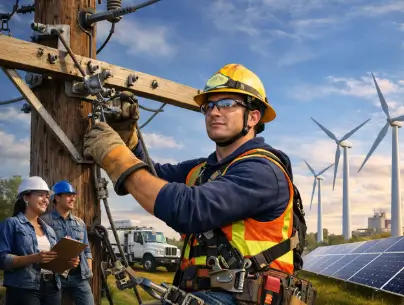
Infrastructure is the backbone of any modern society, and utility poles play a critical role in keeping power, communication, and lighting systems running smoothly. Among the many options available, WT Farley IV poles have earned a strong reputation for their durability, strength, and dependable performance. These poles are widely used across various industries due to their ability to withstand harsh environmental conditions while maintaining structural integrity.
In this article, we will explore the features, benefits, uses, and overall importance of WT Farley IV poles in today’s infrastructure landscape.
What Makes WT Farley IV Poles Unique?
WT Farley IV poles are pressure-treated wooden utility poles designed to meet strict quality and safety standards. They are manufactured using high-grade timber and advanced preservation techniques that protect the wood from decay, insects, and environmental damage.


The “IV” classification indicates a specific treatment level or standard that ensures the poles are suitable for heavy-duty applications. This classification is important because it guarantees consistent quality and performance, especially in demanding environments.
Key Characteristics
Superior Strength
WT Farley IV poles are engineered to support significant loads, including electrical lines, communication cables, and transformers. Their strong construction ensures stability even during storms and high winds.
Advanced Wood Treatment
The poles undergo a pressure-treatment process that infuses preservatives deep into the wood. This protects against rot, fungal growth, and insect attacks, significantly increasing their lifespan.
Long Service Life
One of the standout features of WT Farley IV poles is their longevity. With proper installation and maintenance, these poles can last for several decades, making them a cost-effective choice.
Resistance to Environmental Factors
These poles are designed to perform well in various climates. Whether exposed to heavy rain, intense sunlight, or temperature fluctuations, they maintain their structural integrity over time.
Compliance with Standards
WT Farley IV poles meet industry regulations and safety requirements, ensuring they can be used confidently in critical infrastructure projects.
Applications of WT Farley IV Poles
Electrical Utility Systems
One of the primary uses of WT Farley IV poles is in electrical distribution networks. They provide reliable support for overhead power lines, helping deliver electricity to homes and businesses.
Telecommunications
As communication technology continues to expand, these poles are used to support fiber optic cables and telephone lines. They play a key role in maintaining connectivity in both urban and rural areas.
Public Lighting
WT Farley IV poles are often used for street and highway lighting systems. Their durability ensures consistent operation with minimal maintenance.
Rural Development
In remote areas, these poles are essential for extending power and communication services. Their long lifespan and low maintenance needs make them ideal for such applications.
Advantages of Using WT Farley IV Poles
Cost-Effective Investment
Although treated poles may have a higher upfront cost, their long lifespan and reduced maintenance needs make them a more economical option over time.
Easy Handling and Installation
Wooden poles are generally lighter than steel or concrete alternatives, making them easier to transport and install. This reduces labor and equipment costs.
Sustainability
Wood is a renewable resource, and when sourced responsibly, it offers an environmentally friendly solution. The extended lifespan of treated poles also minimizes waste.
Safety and Reliability
WT Farley IV poles provide a stable and secure structure for critical infrastructure. Their reliability reduces the risk of failures that could lead to outages or accidents.
Maintenance Considerations
Even though WT Farley IV poles are designed for durability, regular inspections are essential to ensure optimal performance. Utility companies typically check for signs of wear, damage, or environmental impact.
Preventive maintenance, such as reinforcing weak areas or replacing damaged components, can further extend the life of the poles. A proactive maintenance approach helps avoid unexpected failures and ensures continuous service.
See also: Pblinuxtech Gaming Hacks From Plugboxlinux
Comparing WT Farley IV Poles to Alternatives
Steel Poles
Steel poles offer high strength but are more expensive and prone to corrosion if not properly maintained. In contrast, WT Farley IV poles provide a balance of strength and affordability.
Concrete Poles
Concrete poles are extremely durable but heavy and difficult to install. WT Farley IV poles are easier to handle and more cost-efficient for many projects.
Why They Are a Preferred Choice
WT Farley IV poles stand out due to their combination of quality materials, advanced treatment processes, and proven performance. They are trusted by utility companies, municipalities, and contractors for their reliability and long-term value.
Their versatility allows them to be used in a wide range of applications, making them a practical solution for modern infrastructure needs.
Conclusion
WT Farley IV poles are a vital component of today’s infrastructure, supporting power distribution, communication networks, and public lighting systems. Their durability, cost-effectiveness, and environmental benefits make them a smart investment for both large-scale and local projects.
By choosing WT Farley IV poles, organizations can ensure reliable performance, reduced maintenance costs, and long-lasting infrastructure. As the demand for strong and sustainable solutions continues to grow, these poles remain a dependable choice for building and maintaining essential systems.