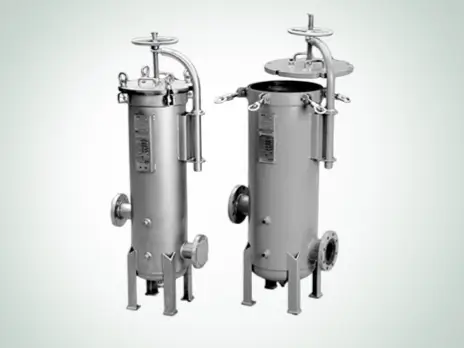
In today’s industrial world, maintaining clean and efficient production processes is more important than ever. Industries such as food processing, pharmaceuticals, chemicals, cement, mining, and water treatment rely heavily on advanced filtration systems to maintain quality standards and environmental safety. One of the most important components of these filtration systems is filter bags.
Filter bags are specially designed filtration products used to separate dust, particles, and contaminants from air or liquid systems. They play a vital role in improving operational efficiency, reducing pollution, and protecting machinery from damage caused by unwanted particles. As industries continue to focus on sustainability and productivity, the demand for high-quality filter bags is rapidly increasing.
What Are Filter Bags?
Filter bags are fabric-based filtration tools used in industrial filtration systems. These bags are designed to trap dust, dirt, and solid particles while allowing clean air or liquid to pass through. They are commonly installed in baghouse systems, dust collectors, and liquid filtration units.


These filtration products are manufactured using different materials such as polyester, polypropylene, nylon, and PTFE. The material selection depends on the application, operating temperature, and chemical exposure involved in the filtration process.
The primary purpose of filter bags is to improve air quality, maintain clean production environments, and ensure compliance with environmental regulations.
Types of Filter Bags
Different industries require different filtration solutions. Because of this, filter bags are available in several types and configurations.
1. Dust Collector Filter Bags
These filter bags are mainly used in industrial dust collection systems. Factories and manufacturing plants generate a large amount of dust during production. Dust collector filter bags capture airborne particles and prevent them from entering the environment.
Industries that commonly use these bags include:
- Cement plants
- Steel industries
- Woodworking factories
- Power plants
- Chemical processing units
2. Liquid Filter Bags
Liquid filter bags are designed to remove impurities from liquids. They are widely used in water treatment plants, food and beverage production, pharmaceuticals, and oil industries.
These bags help maintain product purity and improve overall system efficiency.
3. High-Temperature Filter Bags
Some industrial processes operate under extremely high temperatures. Standard filtration materials cannot withstand such conditions. High-temperature filter bags made from advanced materials like fiberglass or PTFE are ideal for these applications.
They provide excellent thermal resistance and long-lasting performance.
Benefits of Using Filter Bags
Filter bags offer several advantages that make them an essential part of industrial filtration systems.
Improved Filtration Efficiency
One of the biggest benefits of filter bags is their ability to capture even the smallest particles. This helps industries maintain cleaner air and liquid systems while improving product quality.
Cost-Effective Solution
Compared to other filtration methods, filter bags are affordable and easy to replace. Their long service life also reduces maintenance costs.
See also: Kiosk Ordering System: The Complete Guide for Modern Food Service Businesses
Environmental Protection
Industrial pollution is a major concern worldwide. Filter bags help reduce harmful emissions and support environmental sustainability by controlling dust and contaminants.
Enhanced Equipment Life
Dust and impurities can damage industrial equipment over time. By trapping contaminants, filter bags protect machinery and reduce wear and tear.
Easy Maintenance
Most filter bags are simple to install and replace. This minimizes downtime and helps industries maintain continuous operations.
Applications of Filter Bags
The use of filter bags extends across multiple industries because of their versatility and effectiveness.
Food and Beverage Industry
Cleanliness and hygiene are essential in food production. Filter bags help remove impurities from liquids and maintain product quality.
Pharmaceutical Industry
Pharmaceutical companies use filter bags to ensure contamination-free manufacturing environments. These filtration systems support strict health and safety standards.
Cement Industry
Cement manufacturing generates a large amount of dust. Dust collector filter bags help control airborne particles and improve workplace safety.
Water Treatment Plants
Filter bags play an important role in removing suspended particles from water during purification processes.
Chemical Industry
Chemical processing requires reliable filtration to prevent contamination and ensure safe operations. Filter bags provide excellent chemical resistance and filtration performance.
Choosing the Right Filter Bags
Selecting the correct filter bag is essential for achieving maximum filtration efficiency. Several factors should be considered before purchasing filter bags.
Material Compatibility
The filter bag material should be compatible with the operating environment. For example, high-temperature applications require heat-resistant materials.
Micron Rating
Micron rating determines the size of particles the filter bag can capture. Choosing the correct micron level is important for effective filtration.
Operating Conditions
Temperature, pressure, and chemical exposure should all be considered when selecting filter bags.
Size and Design
Filter bags come in different sizes and styles. The correct fit ensures proper filtration and prevents leakage.
Maintenance Tips for Filter Bags
Proper maintenance helps extend the lifespan of filter bags and improves system performance.
- Inspect filter bags regularly for damage or wear
- Replace clogged or damaged bags immediately
- Clean reusable filter bags according to manufacturer guidelines
- Monitor system pressure to identify filtration problems early
- Use the correct filter bag type for each application
Regular maintenance not only improves efficiency but also reduces operational costs.
Future of Filter Bags in Industrial Filtration
As industries continue to adopt advanced technologies, the future of filter bags looks promising. Manufacturers are developing innovative filtration materials that offer better durability, efficiency, and environmental performance.
Smart filtration systems integrated with automated monitoring are also becoming more common. These systems help industries optimize filter performance and reduce maintenance requirements.
In addition, growing environmental awareness and strict government regulations are driving the demand for high-quality filtration solutions worldwide.
Conclusion
Filter bags have become an essential component in modern industrial filtration systems. Their ability to improve air and liquid quality, protect equipment, and support environmental compliance makes them highly valuable across various industries.
From dust collection to liquid purification, filter bags provide reliable and cost-effective filtration solutions for businesses of all sizes. Choosing the right filter bag and maintaining it properly can significantly improve operational efficiency and reduce long-term costs.
As industrial processes continue to evolve, the importance of advanced filter bags will only continue to grow. Investing in high-quality filtration solutions is not just a business decision—it is also a step toward cleaner, safer, and more sustainable industrial operations.