Why Poor Return Airflow Causes Cooling Systems to Run Longer Than Necessary in Peoria, AZ

Air conditioning systems in Peoria face heavy demand during the summer months. Outdoor temperatures often climb high enough to push cooling equipment to run for long periods. Homeowners usually focus on the air conditioner itself when cooling problems appear. They may think the cooling system needs repair or replacement if the home takes too long to cool. In many cases, the real issue involves airflow inside the house rather than the equipment.
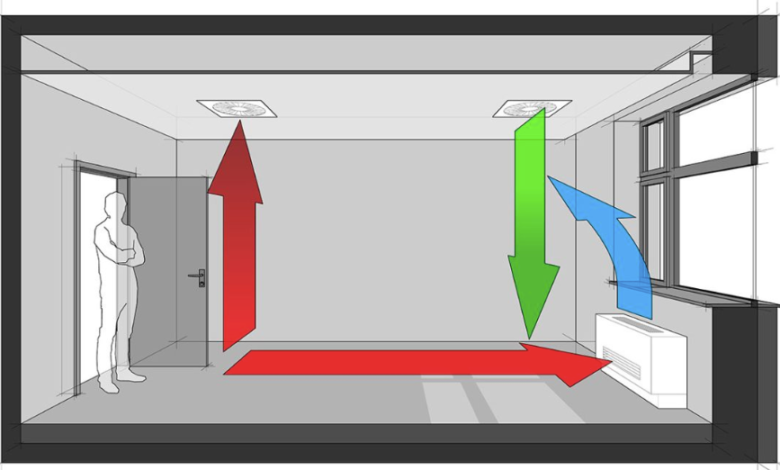
Return airflow plays a major role in how an air conditioning system performs. The system depends on a steady cycle of air moving through the home. Supply vents deliver cooled air into rooms, and return vents pull warm air back into the system to be cooled again. This process must stay balanced for the cooling system to work efficiently.
When return airflow becomes restricted, the cooling cycle slows down. The air conditioner must run longer to achieve the desired temperature. Over time, poor return airflow can lead to comfort problems, reduced cooling performance, and unnecessary strain on the system.
Understanding how return airflow affects cooling performance can help homeowners identify hidden airflow issues that may exist inside their homes.
The Purpose of Return Airflow in a Cooling System
A cooling system does more than push cool air into rooms. The process relies on circulation. Warm air inside the home must travel back to the air conditioner so the system can remove heat from it.
Return vents serve this purpose. They pull warm air from living spaces and send it back to the indoor unit. Once the system cools the air again, supply ducts deliver the cooled air back into the house. This circulation continues throughout the cooling cycle. Air moves through the home repeatedly while the system runs.
When return airflow remains strong, the system can cool indoor air quickly and evenly. Warm air reaches the cooling equipment without delay. The system removes heat and returns cooled air to the rooms efficiently. If return airflow weakens, the entire cycle slows down.
How Poor Return Airflow Develops
Several conditions inside a home can reduce return airflow. Many of these issues develop slowly and remain unnoticed for long periods. One common cause involves blocked return vents. Furniture placed directly in front of return grilles can prevent air from entering the return duct. Rugs, curtains, or decorative items can create similar restrictions.
Another common cause involves closed interior doors. In many homes, return vents exist only in central hallways. When bedroom doors remain closed, air inside those rooms cannot easily return to the system. Dust buildup can also affect return airflow. Return grilles collect dust over time. When dust accumulates on the grille surface or inside the filter, air cannot move freely.
Duct issues may also contribute to poor return airflow. Duct sections that become bent, crushed, or poorly connected can reduce the amount of air that travels back to the system. Each of these problems reduces the volume of air circulating through the cooling system.
Why Cooling Systems Run Longer With Poor Return Airflow
Air conditioners remove heat from indoor air. For this process to work efficiently, the system must pull in warm air continuously. When return airflow becomes restricted, the system cannot draw enough warm air back into the indoor unit. The cooling equipment continues running, but it works with a smaller amount of air.
Because less air reaches the cooling coil, the system removes heat more slowly. The thermostat senses that indoor temperatures remain above the desired setting, so the air conditioner continues operating.
Longer run times follow. The system may run almost constantly during hot afternoons while still struggling to maintain comfortable temperatures. This situation often leads homeowners to believe that the system lacks cooling power. In reality, the system may simply lack proper airflow.
Temperature Differences Between Rooms
Poor return airflow can also create uneven cooling inside the home. Some rooms may cool faster than others. Rooms located near return vents usually allow air to circulate more easily. These areas may feel comfortable sooner during a cooling cycle.
Rooms farther away from return vents may trap warm air inside. Without a clear path back to the cooling system, the air inside those rooms remains warmer. Closed doors can intensify this effect. Air delivered through supply vents has no easy route back to the system. As a result, cooled air may struggle to circulate properly within those spaces.
Homeowners often notice these differences during hot summer days when certain rooms remain warmer than others.
The Impact on Energy Use
When cooling systems run longer than necessary, energy use increases. The system consumes electricity each time the compressor and fan operate. Long run cycles often appear when airflow restrictions prevent the system from completing cooling cycles efficiently.
The system keeps working because indoor temperatures have not reached the thermostat setting. Even though the equipment functions properly, poor airflow prevents the system from cooling the home as quickly as it should. Improving return airflow can shorten cooling cycles and allow the system to reach the desired temperature more efficiently.
Why Return Airflow Matters More in Desert Climates
Homes in Peoria experience strong heat during the summer months. Outdoor temperatures remain high throughout the day and often stay warm even after sunset. These conditions place greater demand on cooling systems. Air conditioners may run for many hours during the hottest parts of the day.
Under these conditions, airflow becomes even more important. Cooling systems must move large amounts of air through the house to remove heat effectively. Any restriction in return airflow can quickly affect system performance. The hotter the outdoor environment becomes, the more noticeable these airflow problems can become indoors.
Strong return airflow allows the system to circulate air efficiently and maintain steady indoor temperatures despite extreme outdoor heat.
See also: How Long Does it Take to Build a Custom Home?
Signs That Return Airflow May Be Restricted
Homeowners may notice several warning signs when return airflow becomes restricted. One of the most common signs involves long cooling cycles. The air conditioner may run for extended periods before reaching the thermostat setting.
Uneven temperatures between rooms may also appear. Some areas may feel cool while others remain warm. Weak airflow from supply vents can indicate a circulation problem within the system.
Doors that become difficult to open or close while the system runs can also signal airflow imbalance. Pressure differences may develop inside rooms when air cannot return properly to the system. These signs often point toward airflow restrictions rather than equipment failure.
Simple Ways to Improve Return Airflow
Improving return airflow often begins with small adjustments inside the home. Return vents should remain open and unobstructed. Furniture should not block the grilles that allow air to return to the system.
Interior doors should remain open when possible, especially in rooms without dedicated return vents. This allows air to circulate more easily through the home. Air filters should remain clean because clogged filters can reduce airflow throughout the system.
Regular HVAC inspections can also identify airflow problems inside duct systems. Technicians can check return ducts, inspect airflow balance, and correct issues that may reduce circulation. These simple steps can help restore proper airflow and improve cooling performance.
Balanced Airflow Supports Reliable Cooling
Cooling systems depend on strong airflow to maintain comfortable indoor temperatures. Supply vents deliver cooled air into the home, while return vents allow warm air to travel back to the system for cooling. Poor return airflow interrupts this cycle. When air cannot return to the system easily, cooling performance slows down and run times increase.
Homes in Peoria experience high cooling demand during summer months. Under these conditions, even small airflow restrictions can affect comfort.
Understanding the role of return airflow helps homeowners recognize how important air circulation is for cooling performance. Balanced airflow allows air conditioners to remove heat efficiently and maintain comfortable indoor temperatures during long summer heat waves.