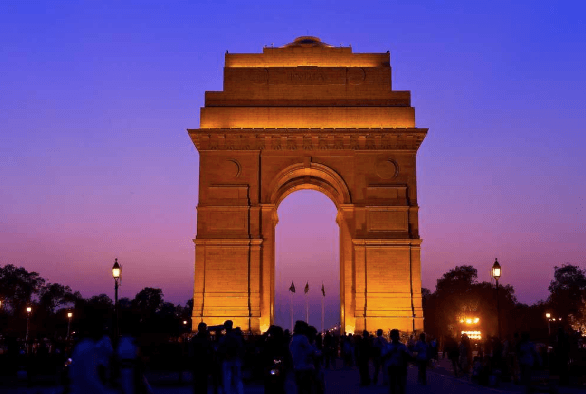
Delhi, the bustling capital of India, is a city steeped in history and culture, showcasing a vibrant tapestry of traditions that span centuries. This metropolis is a blend of the ancient and the modern, where historical landmarks like the Red Fort and Humayun’s Tomb coexist alongside contemporary structures and bustling markets. The city’s diversity is reflected not just in its architecture but also in its cuisine, art, and festivals, making it a melting pot of experiences for visitors. Rich street food, such as chaat and parathas, invites food lovers to explore the local culinary scene, while various cultural festivals celebrate the fusion of different religions and customs. In addition, Delhi serves as a vital hub for travelers, with numerous international airlines offering regular services to the city.
For those planning to visit or travel through this dynamic city, Cathay Pacific provides flight services from Cairns To Delhi, making it convenient for passengers looking to experience Delhi’s unique offerings. As one of the premier airlines in Asia, Cathay Pacific ensures a comfortable and efficient journey, connecting travelers to major destinations worldwide. From its rich history to its contemporary lifestyle, Delhi serves as a gateway to India’s many treasures and offers a wealth of opportunities for exploration and discovery. The combination of lush gardens, bustling markets, and electrifying nightlife adds to the allure of the city, making it an irresistible destination for both tourists and business travelers alike. Whether navigating the historic streets of Old Delhi or enjoying the modern amenities of New Delhi, visitors will find a city that is alive with energy and potential. With such world-class connectivity, including airlines like Cathay Pacific providing flight services from Cairns To Delhi, experiencing this vibrant capital has never been easier.
Humayun’s Tomb
Visiting Humayun’s Tomb, a UNESCO World Heritage Site in Delhi, can be a transformative experience if approached with a bit of planning and awareness. First and foremost, timing is crucial. The best times to visit the tomb are during the cooler months from October to March, when the weather is more pleasant for exploration. Early morning visits allow you to witness the monument bathed in the soft light of dawn, providing excellent photography opportunities while avoiding the larger crowds typically seen later in the day.


Before arriving, it’s a good idea to familiarize yourself with the site’s historical significance. Humayun’s Tomb, built in the 16th century, is an exquisite example of Mughal architecture and an important precursor to the Taj Mahal. Understanding its history adds depth to your visit. Consider hiring a local guide, as they can offer rich narratives that bring the site to life, highlighting the stories of the Mughal dynasty and the architectural innovations of the period.
While at the site, take the time to explore not just the main tomb itself, but also the surrounding gardens. The Mughal concept of paradise is beautifully represented in the layout, so wandering through the lush greenery is essential. Bring along a picnic to enjoy in the gardens or simply relax in a peaceful spot, soaking in the ambiance. It’s also a great opportunity to enjoy the seasonal blooms and the fascinating geometric patterns of the pathways.
Lastly, remember to respect the sanctity of the site. Dress modestly and maintain a sense of decorum, as it is a historical and cultural landmark. Make sure to stay hydrated, especially on warm days, and be mindful of littering. By following these tips, you can ensure a rewarding and enriching visit to Humayun’s Tomb, leaving with lasting memories of this magnificent piece of history.
Chandni Chowk
Chandni Chowk, one of Delhi’s oldest and bustling markets, offers an immersive experience into the heart of Indian culture and history. To make the most of your visit, it’s essential to plan your trip strategically. Start early in the day to truly appreciate the vibrant atmosphere before the crowds swell. Arriving around sunrise allows you to witness the market waking up, capturing stunning photographs of historic monuments like the Red Fort and Jama Masjid bathed in soft morning light. Additionally, this is the perfect time to enjoy the delectable street food, which is best enjoyed while it’s fresh and hot.
When exploring Chandni Chowk, consider using local transport options, such as cycle rickshaws or auto-rickshaws, to navigate the narrow, congested lanes. Walking is also a delightful way to soak in the sights, sounds, and smells of the market. As you meander through the lanes, take the time to venture into hidden alleyways that offer unique shopping experiences. You’ll find everything from traditional fabrics and jewelry to spices and handicrafts, making it a treasure trove for bargain hunters and souvenir seekers alike.
While shopping is a highlight, don’t forget to indulge in the local cuisine. Chandni Chowk is famous for its food stalls and establishments offering authentic dishes like parathas, jalebis, and chaat. Be adventurous and try different street foods from various stalls, but ensure you choose vendors who maintain good hygiene, as this will enhance your culinary experience without unwanted repercussions.
Lastly, stay mindful of your belongings, as crowded markets can be hotspots for petty theft. Keep your valuables secure and be aware of your surroundings. In this vibrant marketplace, patience is key; embrace the chaos, interact with friendly locals, and immerse yourself in a sensory overload that is quintessentially Delhi. With these tips in hand, visiting Chandni Chowk will be a memorable experience you will cherish for a lifetime.
See also: Pblinuxtech Gaming Hacks From Plugboxlinux
India Gate
India Gate, a prominent landmark located in the heart of New Delhi, India, stands as a symbol of national pride and commemorative honor. Constructed between 1921 and 1931, the structure was designed by Sir Edwin Lutyens and pays tribute to the soldiers of the British Indian Army who lost their lives in World War I and the Third Anglo-Afghan War. The arch stands at an impressive height of 42 meters and is made of red and yellow sandstone, drawing visitors and locals alike to its magnificent architecture and deep historical significance.
One of the most striking features of India Gate is the inscription of the names of over 13,000 fallen soldiers etched on its walls. The monument not only honors their bravery but also serves as a reminder of the sacrifices made for the nation. The flame of the Amar Jawan Jyoti, or the Eternal Flame of the Unconquered Soldier, which burns at the base of the gate, further memorializes the courage of the armed forces. This site has become a focal point for national commemorations and ceremonies, particularly on Republic Day, when the grand parade passes through its arch.
The surrounding area of India Gate is a vibrant hub of activity, often filled with families, picnickers, and tourists who enjoy leisurely strolls along the expansive lawns. As day turns to dusk, the monument is beautifully illuminated, creating a picturesque scene that draws photographers and artists alike. Numerous food stalls and vendors offer local delicacies, making it a popular gathering spot for those looking to indulge in Delhi’s culinary delights.
In conclusion, India Gate stands not only as a remarkable architectural feat but also as an enduring symbol of India’s historical narrative and pride. It encapsulates the valor of the armed forces while inviting people to come together in remembrance and celebration of freedom. Through its beauty and historical relevance, India Gate continues to be a cherished monument and a must-visit destination for those exploring New Delhi.